A roof is one of the most important structural components of any property, protecting from rain, wind, sunlight, temperature changes, and other outdoor conditions. Although a roof is often overlooked until a problem becomes visible, regular roofing maintenance and timely repairs can make a major difference in the safety, comfort, and longevity of a home. A well-maintained roofing system does more than keep water outside. It also helps protect insulation, walls, ceilings, electrical systems, flooring, and personal belongings from moisture-related damage. Whether a property needs a minor roof repair, complete roof replacement, or new roof installation, understanding the basics of roofing can help property owners make better decisions and avoid costly problems.
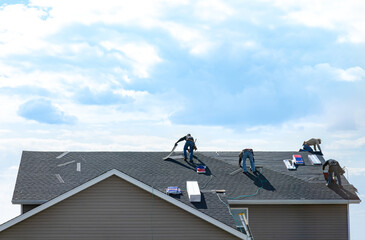
Professional roofing involves much more than installing roofing materials over a structure. A properly functioning roof depends on several interconnected components, including the roof deck, underlayment, flashing, ventilation system, drainage features, and exterior roofing material. When any of these components becomes damaged or improperly installed, the entire roofing system can become vulnerable. Small issues such as cracked materials, loose flashing, blocked drainage paths, or damaged seals can gradually develop into leaks and structural deterioration. For this reason, roofing should be approached as a complete system rather than simply a surface covering.
The Importance of Regular Roof Maintenance
Regular roof maintenance is one of the most effective ways to extend the life of a roofing system. Even when a roof appears to be in good condition from the ground, hidden problems may be developing beneath the surface. Routine inspections can identify early signs of deterioration before they become major repairs. Property owners should pay attention to changes in the appearance of roofing materials, water stains on ceilings or walls, damaged flashing, excessive moisture, sagging areas, and unusual growth or debris accumulation. Addressing these warning signs early can help prevent more extensive damage and reduce long-term roofing costs.
Roof maintenance should also include keeping drainage systems clear and making sure water can move away from the structure efficiently. Standing water is particularly concerning because prolonged moisture exposure can weaken roofing materials and contribute to leaks, rot, and deterioration. Two important maintenance practices include:
- Inspecting the roof regularly for damaged, missing, cracked, or deteriorated materials.
- Keeping gutters, drainage paths, roof surfaces, and surrounding areas free from excessive debris that can trap moisture.
A proactive maintenance routine can also help property owners understand how their roof is aging. Instead of waiting until a major leak occurs, regular inspections provide an opportunity to plan repairs and eventual roof replacement according to the actual condition of the roofing system.
Common Roofing Problems Property Owners Should Watch For
Roofing problems can develop for many different reasons, including age, severe weather, poor installation, inadequate ventilation, moisture exposure, and general wear and tear. One of the most common problems is water infiltration. A roof does not necessarily need to have a large visible hole for water to enter. Damaged flashing, deteriorated seals, cracked materials, and compromised underlayment can allow moisture to travel into areas that are difficult to identify from inside the property.
Another common concern is roof deterioration caused by prolonged exposure to the elements. Over time, roofing materials naturally lose some of their protective qualities. Excessive sunlight, heavy rainfall, strong winds, temperature fluctuations, and moisture can accelerate this process. Damaged or missing roofing materials should not be ignored because exposed areas can allow water to penetrate deeper into the roofing assembly.
Poor ventilation can also affect roof performance. An improperly ventilated roof space can experience excessive heat and moisture buildup, potentially contributing to premature material deterioration and moisture-related problems. Proper ventilation helps regulate temperature and humidity while supporting the overall performance and longevity of the roofing system.
Roof Repair or Roof Replacement
One of the most important decisions a property owner may eventually face is determining whether a roof needs repair or complete replacement. Minor, localized damage can often be addressed through professional roof repair, particularly when the majority of the roofing system remains structurally sound. Repairing problems promptly can prevent them from spreading and may significantly extend the useful life of the roof.
However, replacement may become more practical when damage is widespread, materials are approaching the end of their expected service life, or repeated repairs are no longer providing a reliable solution. A professional roofing assessment can help determine whether repair or replacement makes the most financial and practical sense. Important factors include the age and condition of the roof, extent of damage, history of repairs, ventilation, structural condition, and long-term property plans.
Choosing the Right Roofing Materials
Roofing materials have a significant influence on durability, appearance, maintenance requirements, energy performance, and overall project cost. Different materials offer different advantages, so property owners should consider the characteristics of their property before making a selection. The ideal roofing material should provide reliable protection while also fitting the property’s structural requirements, maintenance expectations, and budget.
Durability is particularly important because replacing a roof is a significant investment. However, the lowest initial price does not always represent the best long-term value. Property owners should consider expected service life, maintenance requirements, resistance to weather conditions, installation quality, and potential energy benefits when evaluating roofing options.
Why Professional Roofing Installation Matters
Even high-quality roofing materials can perform poorly when they are installed incorrectly. Professional roofing installation requires careful preparation, accurate measurements, appropriate fastening methods, proper flashing installation, effective ventilation, and attention to drainage. Installation mistakes can create vulnerabilities that may not become apparent until months or years later.
Working with qualified roofing professionals can provide an additional level of protection because experienced contractors understand how the different components of a roofing system work together. Professional installation can also help ensure that the roof is constructed according to applicable building requirements and manufacturer specifications.
Improving Roof Longevity
A roof is a long-term investment, and its lifespan depends heavily on installation quality and ongoing care. Property owners can improve roof longevity by responding quickly to visible damage, maintaining drainage systems, scheduling periodic inspections, and avoiding unnecessary foot traffic across roofing surfaces. Trees and other surrounding elements should also be managed when they create excessive debris, shade-related moisture, or physical contact with the roof.
Another important consideration is attic and roof ventilation. Proper airflow can help reduce excessive heat and moisture accumulation, supporting better overall roof performance. Insulation and ventilation should work together as part of a broader approach to building efficiency and moisture management.
Roofing plays a fundamental role in protecting a property and maintaining a safe, comfortable interior environment. From routine maintenance and minor repairs to complete roof replacement and new installation, every roofing decision can affect the long-term performance of a building. Recognizing warning signs, maintaining drainage systems, addressing damage promptly, and investing in professional installation can help prevent expensive problems and extend the useful life of a roofing system.
A reliable roof is not simply an exterior feature. It is a critical protective system that contributes to structural integrity, energy efficiency, property value, and everyday comfort. By treating roofing as an ongoing investment rather than an occasional expense, property owners can make informed decisions that provide dependable protection for years to come.