Maintaining the exterior of a property is about more than keeping it visually appealing. Dirt, algae, mold, mildew, and environmental pollutants gradually build up on outdoor surfaces, silently causing deterioration that many property owners fail to notice until damage becomes costly. Pressure washing has become one of the most effective preventative maintenance solutions for preserving the condition and lifespan of exterior materials. When performed correctly, it removes harmful contaminants, prevents structural wear, and restores surfaces without the need for expensive repairs or replacements.
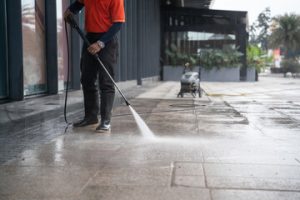
Many people view pressure washing as a purely cosmetic service, but its true value lies in long-term protection. Exterior materials are constantly exposed to moisture, ultraviolet rays, and airborne debris. Over time, these elements can weaken surfaces, cause discoloration, and accelerate decay. Windsor Power Wash eliminates buildup that traps moisture and promotes organic growth, allowing surfaces to breathe and maintain their structural integrity. Whether applied to siding, driveways, decks, fences, or roofing materials, regular cleaning enhances durability and the overall appearance of the property.
Why Exterior Surfaces Deteriorate Faster Without Proper Cleaning
Outdoor surfaces endure daily exposure to environmental stressors that contribute to gradual damage. Algae and mildew thrive in shaded or humid areas, forming dark stains that penetrate porous materials. Moss growth can lift shingles or create slippery conditions on walkways, while accumulated dirt and grime can trap moisture against surfaces, accelerating corrosion and rot. Even materials designed to withstand harsh weather can suffer when contaminants are left unchecked.
One of the most overlooked causes of deterioration is the presence of microscopic particles such as pollen, dust, and industrial residue. These particles settle into crevices and combine with moisture, forming a layer that weakens finishes and coatings. Over time, this can lead to peeling paint, faded siding, and cracked concrete. Pressure washing removes these hidden threats before they compromise the exterior’s structural integrity, making it a proactive step rather than a reactive fix.
The Protective Power of Pressure Washing
Pressure washing works by using controlled water pressure to dislodge dirt, organic growth, and debris from surfaces. When paired with the appropriate techniques and cleaning solutions, it restores surfaces without causing damage. The key advantage lies in its ability to clean deeply and efficiently, reaching areas that traditional scrubbing methods often miss.
Regular pressure washing protects surfaces in several important ways. First, it removes substances that retain moisture, reducing the likelihood of rot, rust, and mold growth. Second, it prepares surfaces for treatments such as sealing or painting, ensuring that protective coatings adhere properly and last longer. Third, it helps prevent premature aging by eliminating abrasive particles that gradually wear down finishes. These benefits make pressure washing a valuable component of any exterior maintenance plan.
Surfaces That Benefit Most From Routine Pressure Washing
Different exterior materials respond uniquely to environmental exposure, but many benefit significantly from regular cleaning. Siding, for example, often collects algae and dirt that dull its appearance and weaken protective coatings. Concrete surfaces such as driveways and sidewalks develop stains from oil, dirt, and weathering, which can make them appear aged and worn. Wooden decks and fences are particularly vulnerable to moisture retention, leading to warping or splintering if not maintained.
Roofs, patios, and outdoor furniture can also accumulate contaminants that shorten their lifespan. Removing these elements through pressure washing helps preserve the original condition of materials and prevents minor issues from turning into major repairs. By tailoring pressure levels and techniques to specific surfaces, professionals ensure effective cleaning without compromising structural integrity.
Key Benefits That Extend Surface Lifespan
Pressure washing offers a range of advantages that go beyond surface-level improvement. These benefits directly contribute to the longevity and performance of exterior materials.
- Prevention of Mold and Mildew Growth – Organic growth thrives in damp environments and can degrade materials over time. Pressure washing eliminates spores before they spread, reducing the risk of structural damage.
- Protection Against Corrosion and Rot – Dirt and moisture create ideal conditions for rust and decay. Removing buildup allows surfaces to dry properly, preventing long-term deterioration.
- Improved Paint and Coating Longevity – Clean surfaces allow paints and sealants to bond effectively, extending the lifespan of protective finishes and reducing maintenance costs.
- Enhanced Safety – Slippery algae or moss on walkways and decks can pose hazards. Regular cleaning reduces the risk of slips and falls while preserving traction.
These benefits highlight why pressure washing is not just an optional upgrade but a practical investment in exterior care.
Understanding the Difference Between Pressure Washing and Soft Washing
Not all surfaces can withstand high-pressure cleaning, which is why understanding the difference between pressure washing and soft washing is essential. Pressure washing uses stronger water streams to remove stubborn grime from durable materials such as concrete or stone. Soft washing, on the other hand, relies on lower pressure combined with specialized cleaning solutions to safely clean delicate surfaces like painted siding or roofing materials.
Choosing the correct method ensures effective results without causing damage. Excessive pressure on fragile materials can strip paint, crack siding, or loosen shingles, while insufficient pressure may leave contaminants behind. Professionals assess the condition and type of material before selecting the appropriate approach, balancing cleaning power with preservation.
Seasonal Maintenance and Timing
The timing of pressure washing plays an important role in maximizing its effectiveness. Seasonal cleaning helps address specific challenges that arise throughout the year. Spring cleaning focuses on removing debris and organic growth accumulated during colder months, preparing surfaces for warmer weather. Summer is ideal for deep cleaning projects, as warmer temperatures allow surfaces to dry quickly and thoroughly.
Fall cleaning helps remove leaves and dirt that could trap moisture during wetter seasons, while selective winter cleaning in milder climates prevents buildup that can lead to long-term damage. Establishing a consistent cleaning schedule ensures that contaminants never have the opportunity to cause significant wear, preserving the exterior year-round.
Common Mistakes That Can Shorten Surface Lifespan
While pressure washing is highly effective, improper techniques can cause unintended harm. Some common mistakes include:
- Using Excessive Pressure – High-pressure streams can damage wood fibers, remove protective coatings, or etch concrete surfaces.
- Ignoring Surface Compatibility – Not all materials respond the same way to pressure washing. Using the wrong method can accelerate deterioration rather than prevent it.
- Skipping Pre-Treatment or Post-Care – Cleaning without addressing mold spores or sealing surfaces afterward may lead to faster regrowth or wear.
- Inconsistent Maintenance – Waiting too long between cleanings allows contaminants to build up, making removal more difficult and increasing the risk of damage.
Avoiding these errors ensures that pressure washing enhances durability rather than compromising it.
Environmental and Efficiency Benefits
Beyond protecting surfaces, pressure washing can also support environmentally responsible maintenance practices. By removing dirt and contaminants effectively, it reduces the need for harsh chemical cleaners or frequent repainting. Clean surfaces reflect light better, which can help maintain cooler exterior temperatures during warmer seasons. Additionally, removing buildup improves water drainage from roofs and hardscapes, preventing pooling that can contribute to erosion or structural issues.
Efficiency is another significant advantage. Compared to manual scrubbing, pressure washing covers large areas quickly, saving time while achieving more thorough results. This makes it a practical solution for maintaining expansive outdoor spaces without extensive labor or resources.
How Pressure Washing Enhances Long-Term Property Value
A well-maintained exterior contributes to the overall perception and value of a property. Clean surfaces signal care and attention, which can be especially important for those preparing to sell or upgrade their space. Regular pressure washing preserves finishes, prevents costly repairs, and keeps materials looking newer for longer periods.
Property owners who incorporate pressure washing into their maintenance routine often experience fewer unexpected repairs and longer intervals between renovations. By addressing dirt and damage early, they protect their investment and maintain a polished appearance that stands the test of time.
Pressure washing is far more than a quick cosmetic solution—it is a powerful maintenance strategy that protects exterior surfaces and extends their lifespan. By removing harmful contaminants, preventing moisture retention, and preserving protective coatings, this cleaning method supports the durability and performance of a wide range of materials. From siding and driveways to decks and roofs, regular cleaning helps maintain structural integrity while enhancing curb appeal.
When performed correctly and at the right intervals, pressure washing reduces long-term maintenance costs and minimizes the need for extensive repairs. Understanding the differences between cleaning methods, avoiding common mistakes, and prioritizing seasonal care ensures the best possible results. Ultimately, pressure washing serves as a proactive investment in the longevity of a property’s exterior, allowing surfaces to remain strong, clean, and visually appealing for years to come.