Roof Replacement: A Complete Guide for Homeowners

Roof Replacement

A roof replacement is one of the most important investments a homeowner can make. Your roof protects everything beneath it, from your belongings to the structural integrity of your home. Over time, even the best roofing systems wear down due to weather exposure, age, and daily stress. Understanding when and why to replace a roof can help you avoid costly damage and give you confidence when planning such a major project.

Many homeowners feel overwhelmed by the idea of replacing a roof, but the process becomes far more manageable with the right information. Knowing what signs to watch for, what materials are available, and how the project typically unfolds allows you to make smart, informed decisions. A well-planned roof replacement from The Wright Construction & Roofing Company improves safety, energy efficiency, and the overall value of your property.

This article explores roof replacement in detail, covering the reasons it becomes necessary, how to choose materials, what the installation process looks like, how costs are determined, and how to work effectively with roofing professionals. The goal is to make the topic clear, practical, and easy to understand for any homeowner.

Understanding When Roof Replacement Is Necessary

Roofs are designed to last for decades, but they are not permanent. One of the most common reasons for roof replacement is age. Asphalt shingle roofs typically last between twenty and thirty years, while other materials may last longer. As a roof ages, it becomes less effective at shedding water and more vulnerable to leaks, even if there are no obvious signs of damage at first glance.

Visible issues often signal that a replacement is approaching. Missing shingles, curling edges, frequent leaks, or dark streaks caused by algae growth can all indicate that the roofing system is failing. Inside the home, water stains on ceilings or walls may point to deeper problems that repairs alone cannot solve. When these issues become widespread, replacing the entire roof is usually more cost effective than repeated fixes.

Weather also plays a major role in roof deterioration. Homes in areas with heavy rain, snow, strong winds, or intense sun exposure experience faster wear. Storm damage can shorten a roof’s lifespan dramatically, especially after hail or high wind events. Even if damage seems minor, repeated exposure can weaken materials over time, making a full roof replacement the safest long term solution.

Choosing the Right Roofing Materials

Selecting the right roofing material is a key decision during a roof replacement. The material affects durability, appearance, energy efficiency, and cost. Asphalt shingles remain the most popular choice because they are affordable, widely available, and suitable for many architectural styles. They offer reliable protection and come in a variety of colors and textures that can complement most homes.

Other materials provide different advantages depending on your priorities. Metal roofing is known for its long lifespan and resistance to extreme weather. It reflects heat effectively, which can reduce cooling costs in warmer climates. Tile and slate roofs offer exceptional durability and a distinctive appearance, though they are heavier and require a stronger roof structure. These options often appeal to homeowners looking for longevity and a premium aesthetic.

Climate, budget, and local building requirements should guide your choice. Some materials perform better in certain environments, while others may not be suitable due to weight or installation complexity. It is also important to consider maintenance needs and long term performance. A well chosen roofing material balances upfront cost with durability and energy savings over time.

The Roof Replacement Process Explained

The roof replacement process typically begins with an inspection and planning phase. A roofing professional assesses the current roof, identifies any underlying structural issues, and confirms measurements. This stage ensures that materials are ordered accurately and that potential problems are addressed before installation begins. Proper planning helps avoid delays and unexpected expenses during the project.

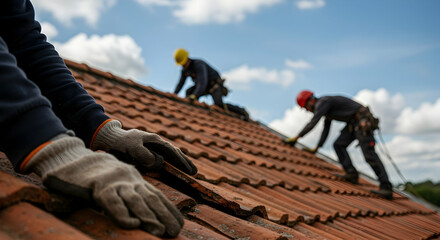
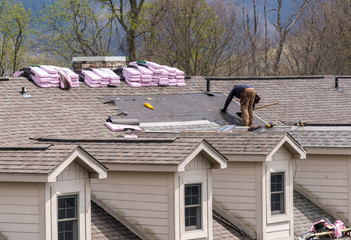
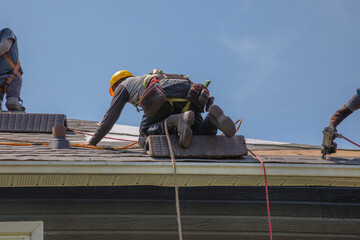
Once work starts, the existing roof is removed to expose the decking underneath. This allows contractors to inspect the structure for rot or damage and make necessary repairs. After the surface is prepared, protective underlayment is installed to create a moisture barrier. New roofing materials are then applied carefully, following manufacturer guidelines and local building codes to ensure durability and performance.

After installation, a final inspection ensures the roof meets quality standards. Contractors clean up debris and review the completed work with the homeowner. The entire process can take anywhere from a single day to several days, depending on roof size, material choice, and weather conditions. When done correctly, a roof replacement provides peace of mind and reliable protection for years to come.

Costs, Budgeting, and Long Term Value

The cost of roof replacement varies widely based on several factors. Roof size, material type, labor rates, and the complexity of the structure all influence the final price. Additional repairs to decking or ventilation systems can also affect the budget. Understanding these variables helps homeowners set realistic expectations and avoid surprises.

While roof replacement is a significant expense, it is also a valuable investment. A new roof improves energy efficiency by reducing heat loss and preventing air leaks. This can lead to lower heating and cooling costs over time. It also enhances curb appeal, which is especially important for homeowners considering selling their property in the future.

Financing options are often available for those who need flexibility. Some homeowners use savings, while others explore loans or insurance claims if damage is storm related. Thinking beyond the initial cost and focusing on long term benefits can make the decision easier. A high quality roof adds lasting value and reduces the risk of costly damage down the road.

Working With Contractors and Understanding Warranties

Choosing the right contractor is essential for a successful roof replacement. A reputable roofing professional brings experience, proper licensing, and insurance coverage. Clear communication from the beginning helps establish expectations around timelines, costs, and workmanship. Homeowners should feel comfortable asking questions and discussing concerns before work begins.

Written estimates and contracts provide clarity and protect both parties. These documents should outline the scope of work, materials used, payment terms, and project timeline. A trustworthy contractor will explain each detail clearly and avoid vague language. Taking time to review these agreements helps prevent misunderstandings and ensures accountability throughout the project.

Warranties are another important consideration. Most roofing materials come with manufacturer warranties that cover defects, while contractors often provide workmanship warranties. Understanding what each warranty includes and how long it lasts offers additional peace of mind. A roof replacement completed by a skilled professional and backed by solid warranties provides confidence that your investment is well protected.

A roof replacement may feel like a major undertaking, but with the right knowledge, it becomes a manageable and worthwhile project. By recognizing when replacement is necessary, choosing suitable materials, understanding the installation process, planning for costs, and working with qualified professionals, homeowners can make informed decisions. A new roof not only protects your home but also enhances comfort, efficiency, and value for years to come.

Final Thoughts

Roof replacement is more than a construction project. It is a long term investment in the safety, comfort, and value of your home. While the process may seem complex at first, understanding the reasons for replacement, the materials available, and what to expect during installation makes it far less intimidating. With proper planning and informed decisions, homeowners can approach roof replacement with confidence instead of stress.

A well installed roof offers peace of mind through every season. It protects your home from harsh weather, improves energy efficiency, and reduces the likelihood of unexpected repairs. Over time, these benefits often outweigh the initial cost, making roof replacement a practical and financially sound decision rather than just an expense.

By working with experienced professionals and choosing quality materials, you ensure that your new roof will serve your home well for decades. Taking the time to do it right the first time helps secure your home’s future and provides lasting value that you and your family can rely on every day.

Roofing for Residential Properties

Diamond Roofing and Construction

Roofing is an essential part of any house, protecting against harsh sun rays, extreme heat and cold, heavy snow and rain, and even structural damage. A new, well-maintained roof can boost a property’s resale value and add curb appeal.

Residential roofs come in a variety of styles and materials, from metal to asphalt shingles. Reputable roofers often offer warranties, which protect your long-term investment and increase the resale value of your home. Contact Diamond Roofing and Construction for more information.

High-Quality Materials

As a critical component of a building, roofing protects everything inside from the elements. It also plays a major role in the energy efficiency, safety, and overall value of a home. Understanding the importance of quality materials in roofing can help homeowners and builders make informed choices, leading to long-term benefits.

A well-constructed roof with high-quality materials contributes to a property’s curb appeal, shaping its aesthetic and boosting its market value. Roofing experts recommend selecting materials that complement the architectural style of a house and fit with the surrounding landscaping. For instance, clay tiles offer a classic elegance and can elevate a home’s value, while metal roofing offers a contemporary design that complements modern homes.

Choosing the right roof material is vital to ensure the durability and energy efficiency of your home. Quality roofing materials undergo rigorous testing and meet industry standards. They can withstand harsh weather conditions, including intense heat and sun exposure. They also prevent mold growth, which can compromise the structural integrity of a home and pose health hazards to its occupants.

High-quality roofing materials also play a crucial role in regulating indoor temperatures, ensuring that a home stays comfortable throughout the year. This helps to reduce the strain on heating and cooling systems, resulting in lower utility bills. In addition, these materials provide effective insulation, preventing excessive heat gain during summer and maintaining warmth during winter.

The roof’s color and texture also have a significant impact on the overall appearance of a building, helping to set it apart in the real estate market. For instance, shingles made from quality materials are durable and attractive, providing a sleek appearance that complements most building styles. They also come in a range of colors, textures, and finishes, giving homeowners the option to select an appealing aesthetic that matches their personal preferences.

Choosing the right roofing material also impacts a home’s sustainability, as some options can qualify for LEED certifications. This is a great choice for homeowners who want to demonstrate their commitment to environmental sustainability, which can potentially lead to financial incentives or tax benefits.

Warranty

When you choose a roofing material, ask about the warranty offered by the manufacturer. Generally, these warranties last for a long time and cover the cost of materials in case of problems that arise over the years. They may also offer a labor warranty. Be sure to clarify whether a roofing manufacturer’s warranty covers just the roof surface or other components.

Manufacturer warranties usually don’t cover damage caused by improper installation, so you should also look for a workmanship warranty. This type of guarantee safeguards you against future issues, but only if the contractor installs the system correctly in the first place.

Ongoing maintenance is important for both ensuring a good roof and maintaining your warranty. For example, regularly cleaning gutters and removing debris prevents premature deterioration that could void the warranty. In addition, a well-insulated attic and properly ventilated roof can help prevent ice dams, which can also void the warranty.

Curb Appeal

The roof is one of the first features people notice when approaching a property. Its condition and design influence perceptions of the home’s upkeep and quality. A well-maintained and visually appealing roof creates a positive impression that boosts curb appeal and increases property value.

Choosing the right roof color is another way to improve curb appeal. Modern roofing materials offer a wide range of colors, allowing property owners to achieve the look they desire. Choosing a color that contrasts with the siding and trim or that blends in with the surrounding foliage can tie the exterior of the property together. It’s also important to consider neighborhood standards and guidelines when deciding on a roof color.

Property owners often prioritize landscaping, interior design, and other visible aspects of their residential properties when enhancing curb appeal. However, a high-quality and attractive roof can make just as much of an impact as other renovations. Neal Roofing and Waterproofing helps property owners choose durable, attractive roofing that protects their investments and adds a memorable aesthetic to their neighborhoods.

Energy Efficiency

Energy efficiency is one of the most important roofing considerations for both homeowners and businesses. An energy-efficient roof minimizes heat transfer and improves insulation, which lowers cooling costs in warm climates and heating costs in colder regions. This reduces the workload on HVAC systems and translates into reduced energy consumption, lowering utility bills and reducing greenhouse gas emissions.

Choosing the right roofing materials is critical for energy efficiency. In warmer regions, choosing a reflective surface can help reduce cooling costs by 10-20%. In colder areas, high-insulation and air sealing will minimize energy loss. These features can be augmented with additional insulation and weather-stripping to create a tight thermal envelope.

A professionally installed energy-efficient roof will last longer and increase home value. In addition, many local governments offer incentives such as rebates or low-interest loans to offset upfront installation costs. For commercial properties, this can also serve as a marketing advantage, especially if the building’s energy-efficient features align with LEED guidelines or Energy Star standards.

As the number of environmentally-friendly roofing options continues to grow, it’s important for residential and commercial property owners to consider energy-efficiency when choosing a new roof. At Brad Smith Roofing, we assess your roofing needs and recommend solutions that will provide maximum energy savings and extend your roof’s lifespan. Contact us today for a free consultation. We’ll review your roofing and insulation, and recommend ways to maximize your energy efficiency and savings. We’ll also address issues like clogged gutters, blocked vents and pipe boots (the neoprene sealant around plumbing or vent pipes). These factors can affect your roof’s ability to insulate and reflect solar energy.